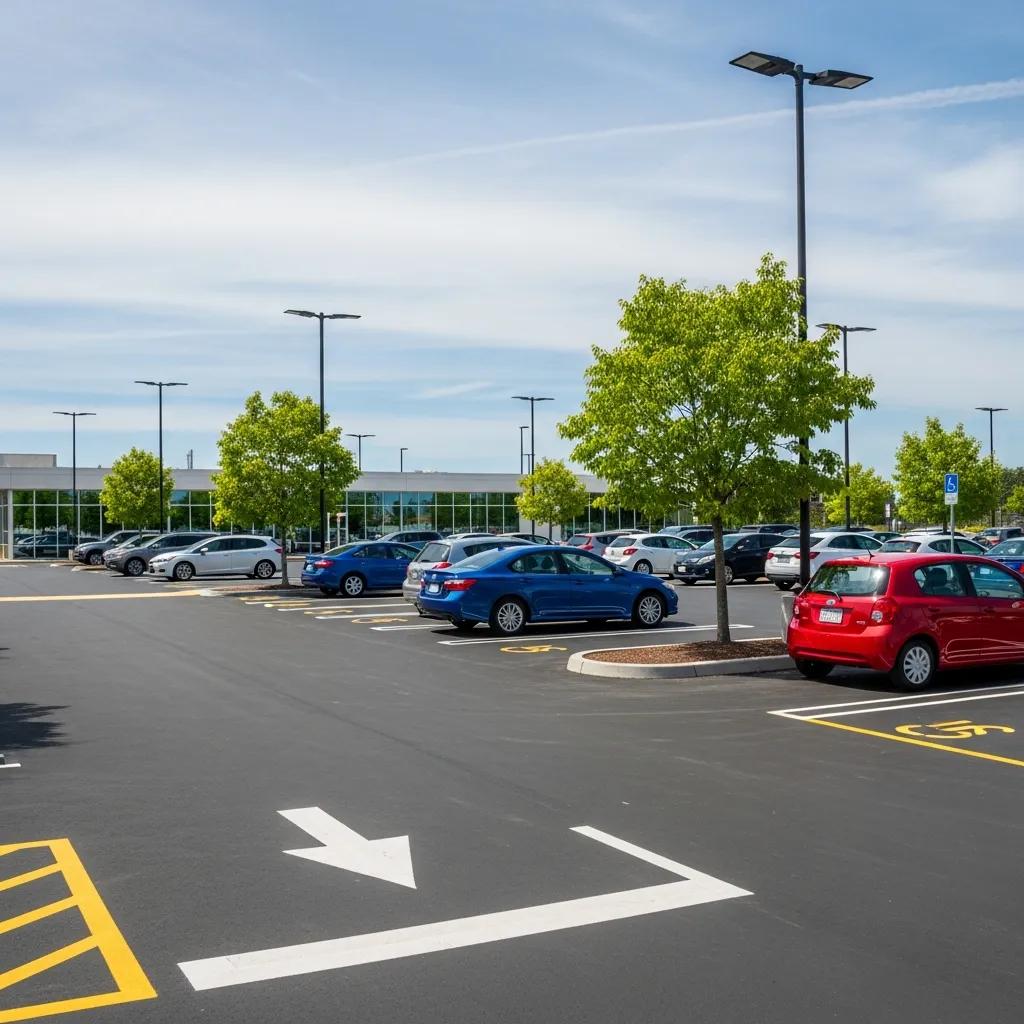
Essential Parking Lot Inspection Checklist for Businesses: Comprehensive Guide to Commercial Parking Lot Maintenance
Key Components of a Parking Lot Inspection
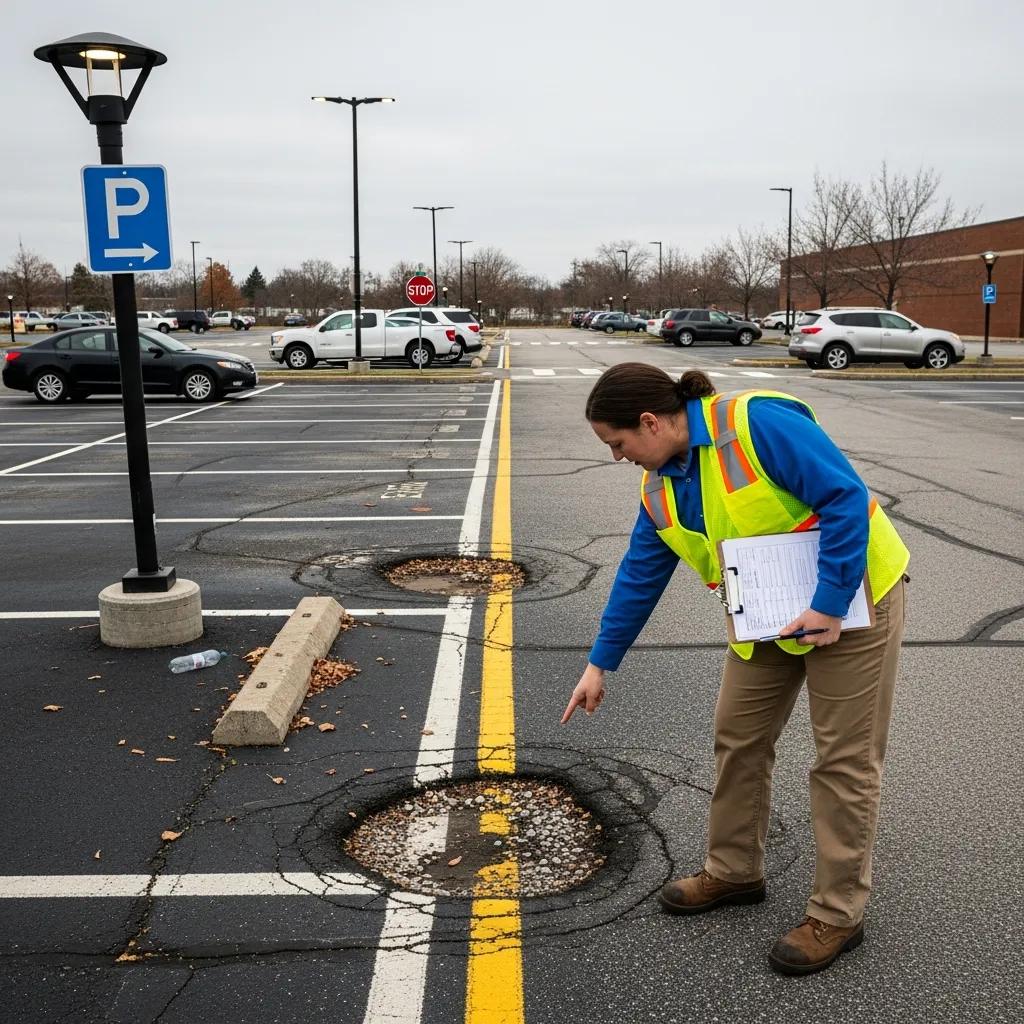
- Visual Inspection: Regularly check for visible signs of wear and tear, such as cracks, potholes, and surface damage.
- Striping and Markings: Ensure that all pavement markings are clear and visible, including parking spaces, directional arrows, and safety symbols.
- Surface Condition: Assess the overall condition of the pavement, looking for signs of deterioration or uneven surfaces that could pose hazards.
- Debris Removal: Keep the parking lot free of debris, such as leaves, trash, and other obstacles that could obstruct visibility or create hazards.
- Lighting: Verify that all lighting fixtures are functional and provide adequate illumination for safety during nighttime hours.
Maintenance Best Practices
- Regular Inspections: Schedule routine inspections to identify and address issues promptly.
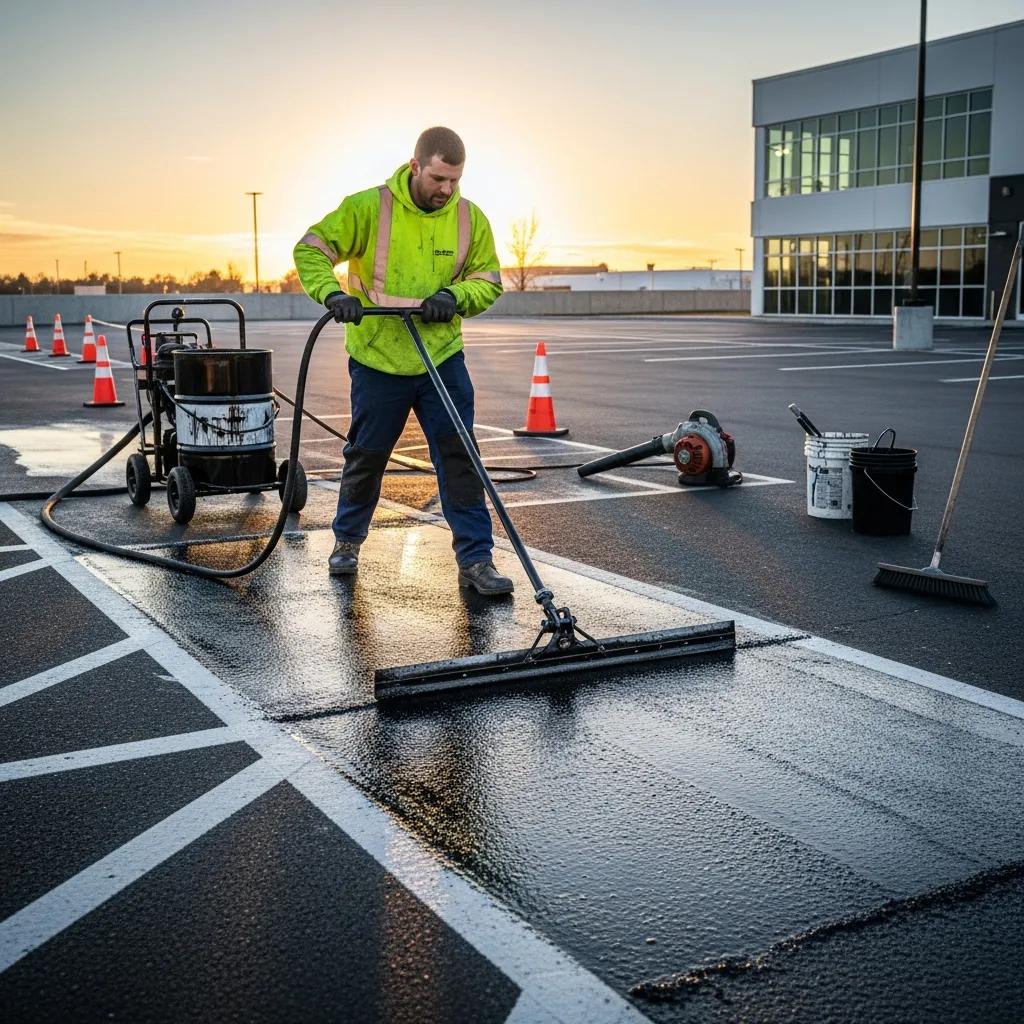
- Sealcoating: Apply sealcoating every 2-3 years to protect the pavement from weather damage and UV rays.
- Crack Sealing: Fill cracks as soon as they appear to prevent water infiltration and further damage.
- Pothole Repair: Address potholes immediately to avoid accidents and additional damage to vehicles.
- Repainting Striping: Refresh pavement markings regularly to maintain visibility and compliance with regulations.
Compliance Standards
- ADA Compliance: Ensure that your parking lot meets the Americans with Disabilities Act (ADA) requirements for accessible parking spaces.
- Local Regulations: Familiarize yourself with local laws and regulations regarding parking lot maintenance and safety.
- Safety Standards: Follow industry safety standards to minimize risks and ensure a safe environment for customers and employees.
What Are the Key Components of a Commercial Parking Lot Inspection?
- Safety Checks: Regularly assess the parking lot for hazards, such as potholes, debris, and poor lighting.
- Maintenance Evaluations: Evaluate the condition of the pavement and identify areas that require repair or maintenance.
- Compliance Standards: Ensure that your parking lot adheres to all relevant regulations and safety standards.
How to Conduct an Effective Parking Lot Safety Inspection?
- Key Safety Criteria: Focus on critical safety elements, such as lighting, signage, and surface conditions.
- Recommended Inspection Frequency: Schedule inspections at least twice a year, or more frequently if your parking lot experiences heavy traffic.
- Common Issues: Be aware of common issues, such as cracks, potholes, and inadequate lighting, and address them promptly.
What Maintenance and Repair Recommendations Follow an Inspection?
- Crack Sealing: Fill any cracks to prevent water infiltration and further damage.
- Sealcoating: Apply sealcoating to protect the pavement from the elements.
- Timely Repairs: Address any identified issues, such as potholes or surface damage, as soon as possible to maintain safety.
How Does Regular Parking Lot Inspection Benefit Your Business?
- Cost Savings: By identifying and addressing issues early, you can avoid costly repairs and maintenance.
- Safety Improvements: Regular inspections help ensure a safe environment for customers and employees, reducing the risk of accidents.
- Customer Satisfaction: A well-maintained parking lot enhances the overall customer experience, encouraging repeat business.