Ultimate Guide to Preventative Parking Lot Maintenance

by | Jan 17, 2026 | Blog

The Complete Guide to Preventative Parking Lot Maintenance — Extend Life and Cut Costs

Preventative parking lot maintenance matters for commercial properties. It keeps people safe, improves curb appeal, and helps asphalt and concrete last longer. This guide breaks down why regular care pays off, what commonly causes pavement to fail, and which core services should be part of a maintenance plan. Too many owners wait until problems are expensive and disruptive. Learn how simple, proactive steps save money and keep your lot looking and performing its best. We’ll cover the benefits of maintenance, early warning signs of damage, and a seasonal schedule you can follow.

Why is preventative parking lot maintenance important for commercial properties?

Keeping a parking lot maintained affects three key things: safety, appearance, and long-term cost. Routine checks catch small problems before they grow into hazards for drivers and pedestrians. A neat, well-marked lot also creates a better first impression and can help attract customers. Over time, consistent care reduces repair bills and lengthens pavement life, making maintenance a smart investment for property owners.

How does maintenance extend an asphalt parking lot’s lifespan?
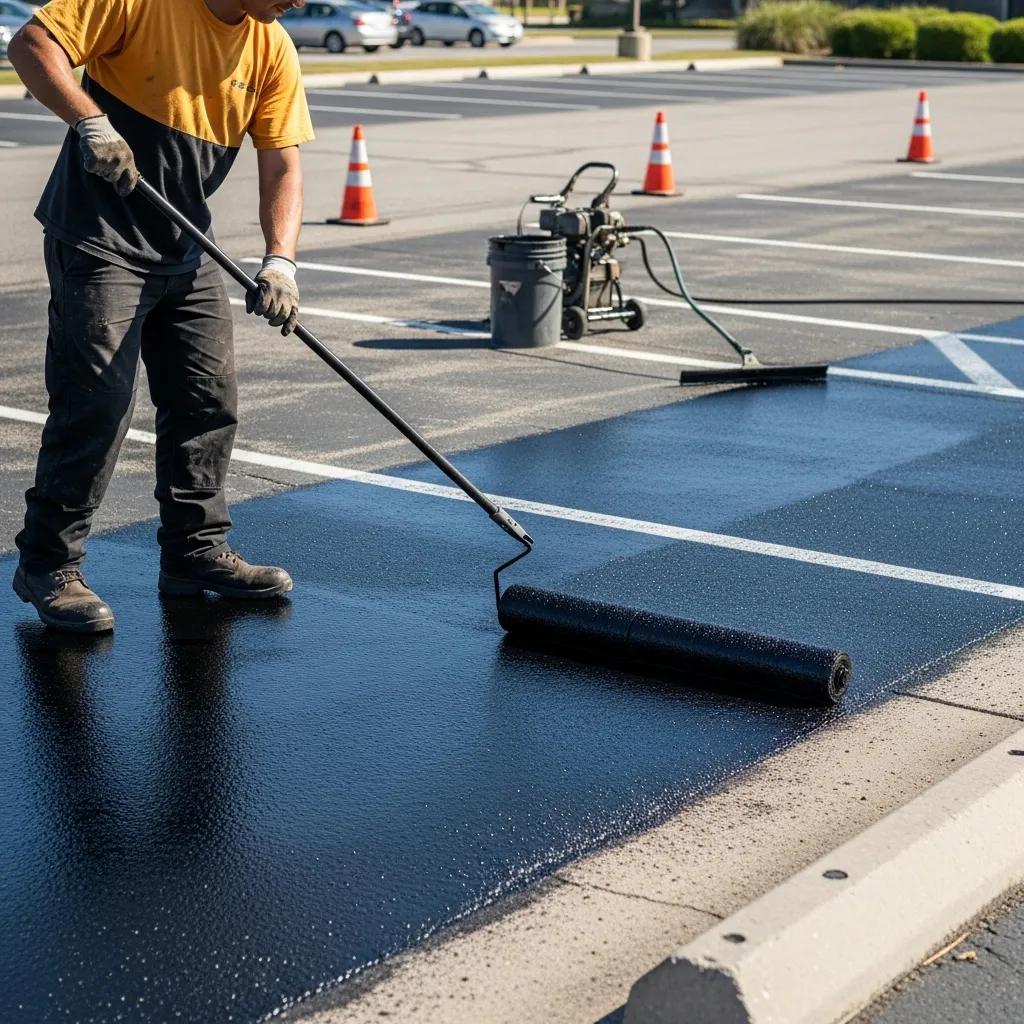
Routine upkeep slows wear before it becomes structural damage. Services like sealcoating and timely repairs add years to asphalt life by blocking UV damage and stopping water from seeping in. With proper care, asphalt pavements can reach about 20–25 years; neglected lots often fail in 10–15 years. Simple interventions now mean fewer, bigger expenses later.

What safety and curb appeal benefits come from regular care?

Regular maintenance reduces trip and vehicle hazards from potholes and large cracks, creating a safer environment for everyone. It also keeps lines, signage, and surfaces looking fresh — which supports customer confidence and boosts curb appeal. While exact numbers vary, properties with well-kept parking areas generally draw more positive attention and traffic.

What causes parking lot deterioration and what are the early warning signs?

To protect your pavement, know the common causes and early signs of deterioration. Weather, heavy traffic, and chemical exposure all weaken surfaces over time. Spotting issues early is the most cost-effective way to prevent major repairs.

How do weather and traffic affect pavement condition?

Weather extremes — rain, freezing and thawing, and heat — all damage pavement by expanding cracks and allowing water to erode the base. Heavy loads and constant traffic, especially from large vehicles, speed up wear and tear. Regular inspections help you catch these problems before they worsen.

Which types of cracks and damage should you watch for?

Start by looking for surface cracks, alligator cracking, and potholes. Surface cracks are often the first sign of trouble; alligator cracking points to deeper structural failure; potholes form quickly and are immediate safety risks. Plan inspections and fixes so small issues don’t turn into costly projects.

Which core services make up an effective preventative parking lot maintenance plan?

A good preventative plan combines several core services to protect pavement, improve safety, and maintain appearance. These tasks work together to extend life and lower repair costs.

What are the benefits and recommended frequency of sealcoating?

Sealcoating shields asphalt from UV rays, water, and chemicals. We generally recommend reapplying sealcoat every 2–4 years, depending on traffic and conditions. Aside from protection, sealcoating refreshes the lot’s look and helps avoid more expensive repairs down the road.

How does crack sealing stop further asphalt damage?

Crack sealing prevents water from entering the pavement’s base, stopping cracks from turning into potholes or causing structural failure. It’s a cost-effective, proactive fix. Depending on the severity of cracking, plan crack sealing every 1–3 years to protect the lot’s integrity.

How do you build a seasonal, budget-friendly parking lot maintenance schedule?

A seasonal checklist keeps maintenance predictable and helps you budget. Scheduling routine tasks ensures nothing gets missed and spreads costs across the year.

What should an Oklahoma City seasonal maintenance checklist include?
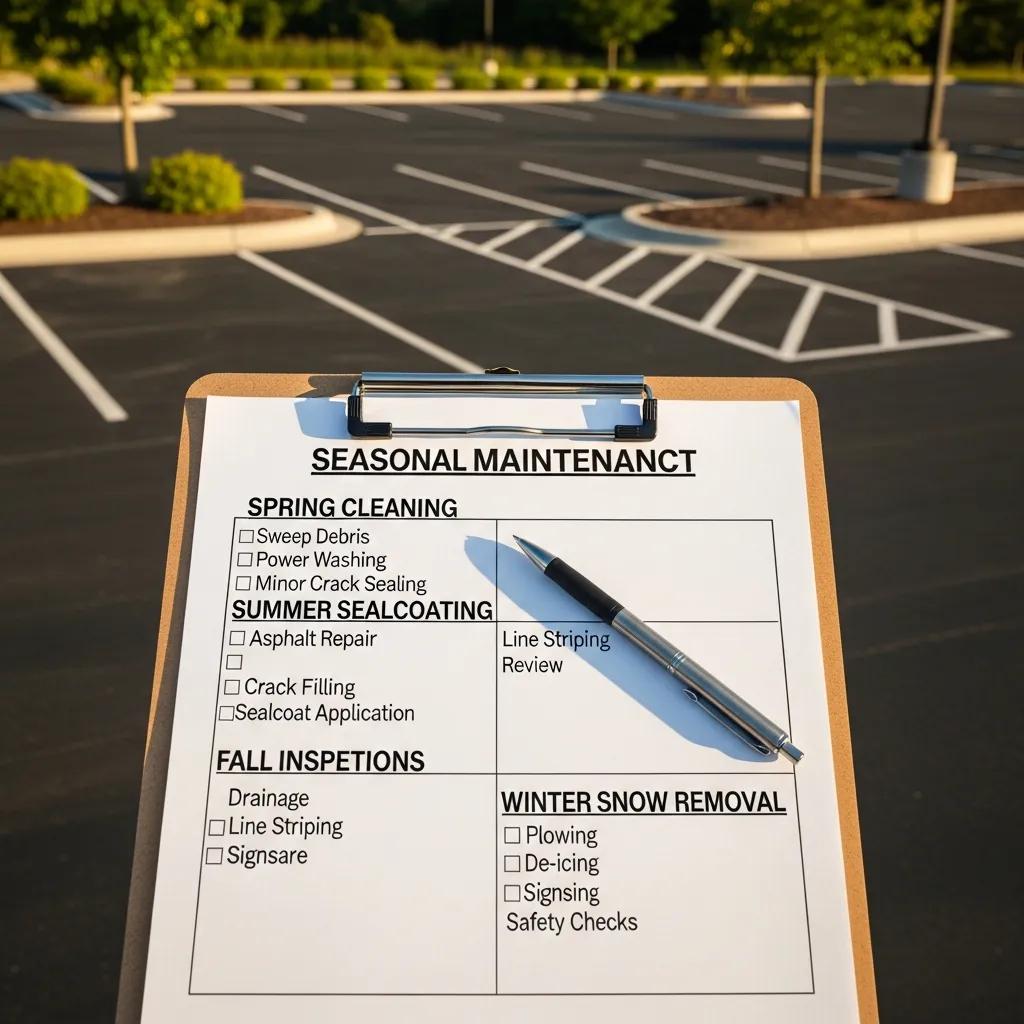
  1. Spring cleaning: Remove debris and inspect for winter damage.
  2. Summer sealcoating: Apply sealcoat when conditions are warm and dry.
  3. Fall inspections: Repair cracks and prepare surfaces for winter.
  4. Winter snow removal: Keep access safe during snow and ice events.

This seasonal approach keeps your lot organized and proactive instead of reactive.

How do you budget for cost-effective preventative maintenance?

  1. Service costs: Get quotes and compare prices for sealcoating, crack sealing, and repairs.
  2. Emergency fund: Reserve money for unexpected issues that can’t wait.
  3. Long-term planning: Factor in the savings from regular care versus large, reactive repairs.

With a simple plan and set-aside funds, you’ll be prepared to keep your lot in good shape year after year.

What long-term benefits come from proactive parking lot care?

Proactive maintenance delivers more than immediate savings. It improves safety, boosts property value, and lowers liability risk over time.

How does preventative maintenance save money over time?

By stopping small issues from growing, preventative work reduces the need for expensive repairs. Regular upkeep can stretch pavement life and avoid disruptive, high-cost projects. Industry estimates often show that every dollar spent on preventative measures can save multiple dollars in future repairs.

How does maintenance improve safety and ADA compliance?

Fixing hazards like cracks and potholes reduces accident risk and helps keep paths and parking spaces accessible. Regular inspections and repairs also make it easier to meet ADA requirements, lowering legal and liability exposure while keeping your property welcoming to everyone.

How do you choose the right professional for parking lot maintenance?

Picking the right contractor matters. The right team brings experience, the right equipment, and consistent results.

What questions should you ask a parking lot maintenance contractor?

When evaluating contractors, ask:

  1. Experience: How long have you been doing parking lot maintenance?
  2. References: Can you share recent client references or examples of similar work?
  3. Insurance: Are you fully insured and bonded?

These questions help you verify reliability and workmanship before you hire.

Why choose OKC Parking Lot Maintenance for preventative services?

OKC Parking Lot Maintenance is a trusted local provider in Oklahoma City with more than 20 years of experience. We focus on quality materials, practical solutions, and cost-effective maintenance for parking lots and garages. Our services include construction, asphalt and concrete repair, sealcoating, and ongoing upkeep. Choosing OKC Parking Lot Maintenance means you’re working with a team dedicated to extending pavement life while keeping your lot safe and attractive.

Frequently Asked Questions

What is the ideal frequency for parking lot inspections?

Inspect your parking lot at least twice a year — spring and fall are ideal. These checks catch winter damage and summer wear before problems grow. Also inspect after major weather events to spot any new issues from heavy rain, snow, or temperature swings.

How can I improve the drainage in my parking lot?

Good drainage prevents standing water that damages pavement. Make sure the lot is correctly graded to send water away from the surface. Consider catch basins or French drains where water pools, and keep gutters and drains clear of debris. A professional evaluation can pinpoint the best drainage fixes for your layout.

What materials are best for parking lot repairs?

For durable asphalt repairs, hot mix asphalt is preferred for its strength and longevity; cold patch is a short-term fix. For concrete repairs, epoxy or polymer-modified concrete provides strong bonding and weather resistance. Talk with a contractor to choose the right material for the specific damage and local conditions.

How do I choose the right sealcoating product?

Pick a sealer that matches your asphalt type, traffic levels, and climate. Quality sealers include UV blockers and additives for durability. Some products work better in certain weather, so consult a professional to select the best sealer for your lot.

What are the signs my parking lot needs immediate attention?

Watch for large cracks, potholes, alligator cracking, or water pooling — these are signs of urgent issues. Heavy wear in high-traffic zones and faded markings that affect safety or accessibility also mean it’s time for maintenance. Addressing these quickly prevents bigger, costlier repairs.

Can I perform maintenance tasks myself, or should I hire a professional?

Basic tasks — like debris removal and minor sealcoating — can be DIY for small properties. For more complex work, hire a pro. Contractors have the right equipment, materials, and know-how to ensure lasting repairs and code compliance. For major fixes or ongoing maintenance, professional services are usually the better investment.

Conclusion

Adopting a proactive parking lot maintenance plan pays off in safety, appearance, and long-term cost savings. Catch problems early, schedule routine care, and work with experienced professionals to protect your investment. If you’re ready to keep your lot safe and attractive, our team can help you build a maintenance plan that fits your property and budget.