When planning to build a parking lot, understanding the total cost is crucial for lot owners to ensure the project fits within budget. The final pricing can vary widely depending on key factors such as the type of material used, local climate, loading zones, and weather conditions.
Whether opting for asphalt or concrete, materials like Portland cement or solar panels might also influence both durability and cost. Properly maintained lots, including crack filling and debris removal over time, preserve structural integrity, especially in regions with extreme weather.
This guide breaks down real-world projects, exploring higher costs, lower cost alternatives, and additional costs to help you make informed decisions.
Importance of Parking Lots
Parking lots play a crucial role in modern infrastructure, serving as essential spaces for vehicles in both urban and suburban environments. They provide convenience for patrons accessing businesses, services, and public spaces, making them an integral part of customer satisfaction and accessible spaces.
Beyond functionality, well-designed parking lots contribute to traffic management and safety by reducing congestion on roadways and ensuring orderly vehicle flow. Furthermore, they can enhance the appeal of commercial and residential properties, acting as a reflection of property maintenance and customer-focused planning.
Investing in well-maintained parking lots not only supports operational efficiency but also reinforces a positive impression for users and stakeholders alike. Regular parking lot maintenance helps reduce long-term operating costs and ensures safety compliance.
Factors Influencing Parking Lot Construction Costs
The cost of constructing a parking lot can vary significantly depending on various cost factors. Some of the main factors that influence parking lot costs include:
Size of the Parking Lot
The size of the parking space plays a critical role in determining construction costs. Larger areas require more square footage of materials, such as asphalt or concrete, and demand higher labor efforts, leading to increased expenses. Typical parking lot sizes range from small lots for residential buildings to expansive office buildings or multi level parking garage structures, with costs rising proportionally to the area being developed.
Location and Accessibility
Regional variations, such as urban versus rural locations, significantly impact parking lot construction costs. Urban areas often have higher material and local labor rates due to increased demand and logistical challenges. Accessibility also affects costs, as mobilizing equipment and personnel to remote or hard-to-reach areas can increase transportation and labor expenses.
Type of Material Used
Asphalt and concrete are the two primary materials used in parking lot construction. Asphalt is typically less expensive per square foot but may require more frequent preventative maintenance, whereas concrete offers greater durability but comes at a higher initial cost. The choice of common parking lot materials impacts both upfront expenses and long-term operating costs.
Site Preparation and Grading
Proper site preparation is crucial for ensuring the longevity and functionality of a parking lot. This process involves leveling the ground, clearing debris, and performing necessary excavation work. The costs associated with site grading and preparation can vary based on the condition of the land and the extent of work required to create a stable foundation.
Drainage and Infrastructure
Effective drainage systems are essential for preventing water accumulation and damage to the parking lot surface. Installing drainage infrastructure, such as slope grading, stormwater systems, and catch basins, adds to the overall project cost. However, these measures are a necessary investment to avoid long-term structural issues and ensure compliance with local codes.
Permits and Regulations
Various permits are required for parking lot construction, including zoning permits, environmental clearances, and building approvals. The cost of obtaining these permits depends on local regulations and the scope of the project. Factoring in these expenses is crucial to ensuring compliance with legal requirements and avoiding potential penalties. A reputable parking lot contractor can help navigate this process efficiently.
Asphalt Parking Lot Cost
The asphalt parking lot cost typically ranges based on square footage, location, and material thickness. According to the national average cost, small-scale lots may be more affordable, but larger parking areas for office buildings or commercial properties will see significantly higher investments. Regular parking lot maintenance and preventative maintenance help protect this investment by extending the life of the asphalt surface.
Parking Garage and Multi-Level Structures
When land is limited, a parking garage or multi level parking garage may be the solution. These structures come with higher overall cost due to complex design, structural supports, and enhanced accessibility features. However, they offer greater space efficiency and increased parking capacity for how many cars can be accommodated in vertical layers.
Cost Breakdown for Asphalt Parking Lots
The most common material used to pave a parking lot is asphalt. The cost of installing an asphalt solution can vary greatly depending on a variety of factors, such as the size and slope of the lot, local labor and material costs, and any additional features or amenities included in the design.
Material Costs
The price per square foot of asphalt can vary depending on several other factors, including the quality and grade of the material. Higher-grade asphalt, which is more durable and resistant to wear, typically costs more but offers better longevity and lower future repairs or frequent repairs.
On average, standard asphalt may range from $2 to $4 per square foot, while premium grades might go up to $5 or more per square foot. It is important for a business owner or property manager to consider the specific needs of the project, as opting for a higher-quality asphalt can reduce repair and resurfacing costs over time.
Labor Costs
Labor represents a significant portion of the total expense in asphalt parking lot projects. On average, labor costs can range from $1 to $3 per square foot, depending on the complexity of the job and the experience level of the workers. Factors such as site preparation, leveling, and finishing work impact the labor requirements, as more intricate tasks demand additional time and expertise.
Regional variations also play a key role in labor expenses. For instance, urban areas or regions with higher living costs tend to have higher local labor rates compared to rural locations. It’s crucial to obtain regional pricing data and evaluate labor costs as part of the overall cost guide for an accurate project estimate.
Maintenance Costs
The lifespan of an asphalt parking lot largely depends on the quality of installation, usage, and whether it is maintained regularly. On average, a well-maintained asphalt surface can last 20 to 30 years. However, neglecting maintenance can significantly shorten its lifespan and lead to significant repairs.
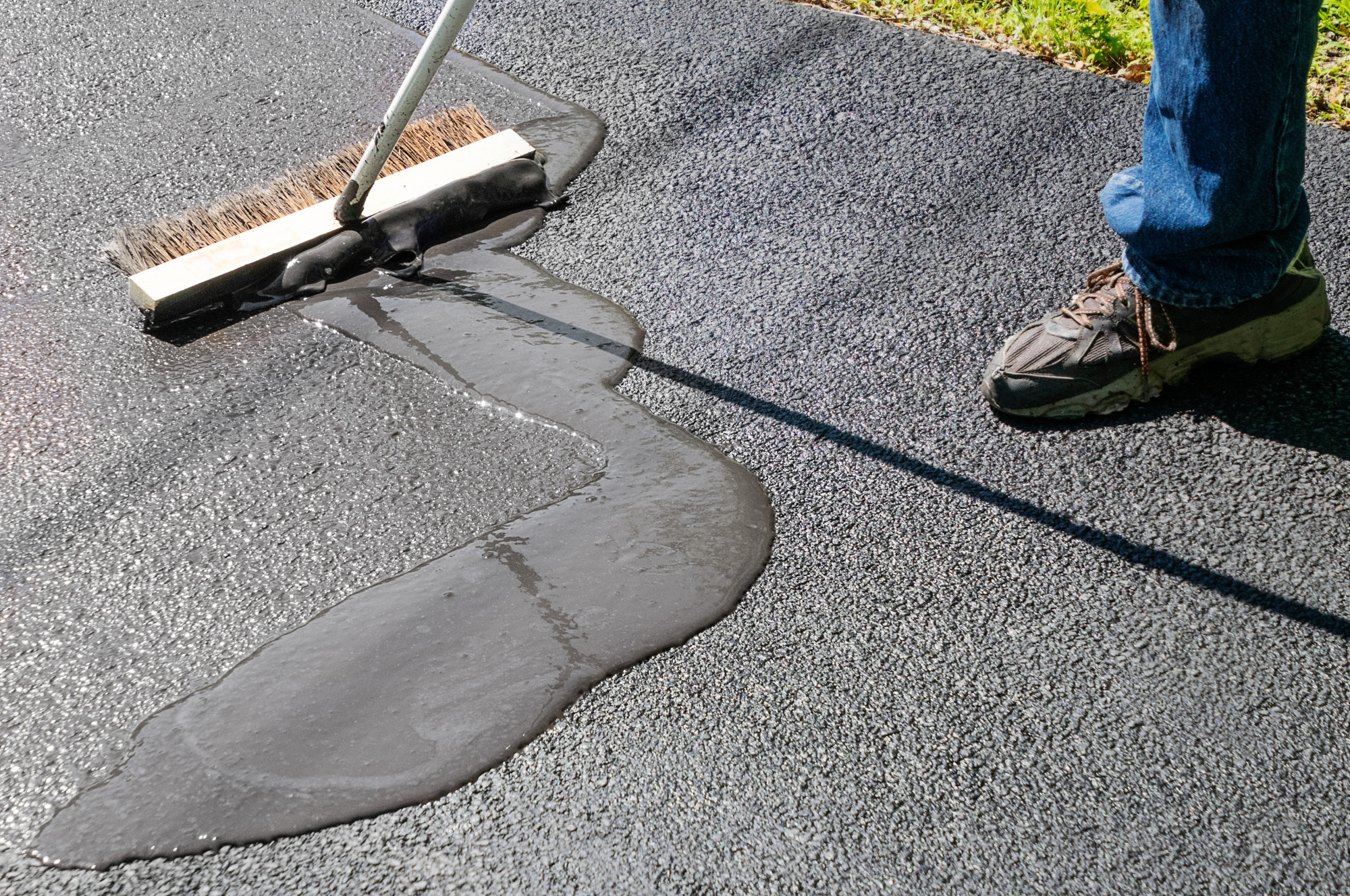
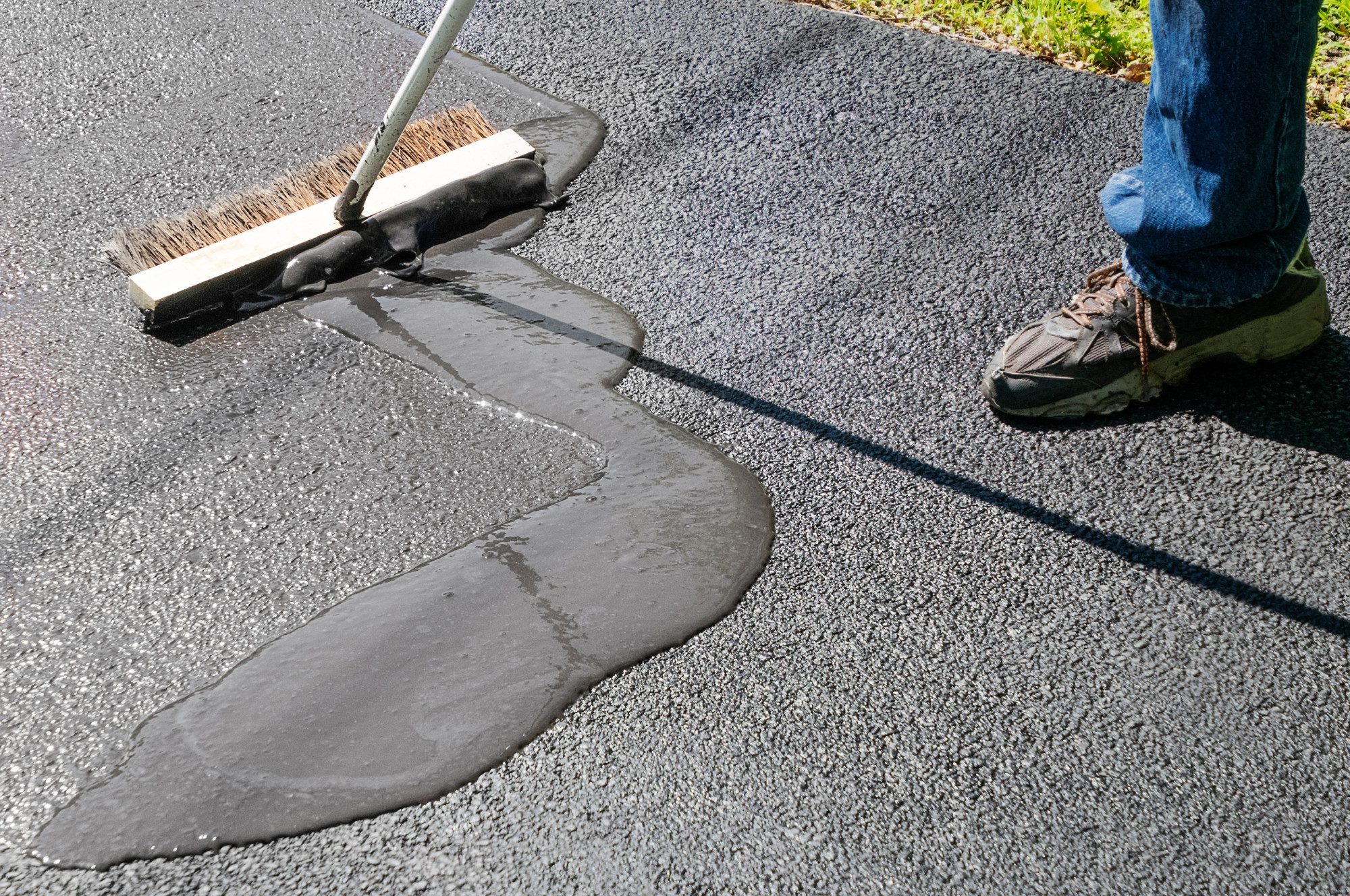
Maintenance costs typically include seal coating, resurfacing, and regular repairs to address wear and tear. Resurfacing involves adding a fresh layer of asphalt over the existing surface to restore its structural integrity this may be required every 8 to 15 years, depending on traffic and climate conditions.
Cost Breakdown for Concrete Parking Lots
In contrast to asphalt, concrete parking lots tend to have a higher upfront cost but can last significantly longer with proper care. Concrete is made of cement, gravel, sand, and water, and when combined and cured, it forms a strong and durable surface suitable for existing structures, shopping malls, or larger garages.
Material Costs
The price per square foot of concrete for a parking lot typically ranges from $4 to $7, depending on the region and availability of materials. For those seeking enhanced aesthetics or unique finishes, decorative or polished concrete options are available. Decorative concrete, which may include stamped patterns, colored dyes, or textured surfaces, can increase costs to between $8 and $15 per square foot.
Similarly, polished concrete, which involves grinding and sealing the surface to achieve a sleek, reflective finish, can cost between $6 and $12 per square foot. These premium options not only elevate the visual appeal but also offer added durability and low-maintenance benefits, minimizing frequent repairs.
Labor Costs
Labor costs for concrete projects can vary significantly depending on the complexity of the installation process. Unlike asphalt, which typically involves straightforward pouring and compressing, concrete installation often requires more time and precision. For example, tasks such as reinforcing with rebar, molding intricate patterns, or ensuring proper curing all add to the labor intensity of concrete projects.
On average, labor expenses for concrete range from $2 to $5 per square foot, though this can climb higher for more intricate or custom designs. This increased labor demand contributes to the overall higher installation costs of concrete compared to asphalt, but it also underlines the strength of the structural system and lasting appeal concrete can provide.
Maintenance Costs
Concrete parking lots are known for their durability and long lifespan, often lasting 20 to 40 years or more with proper maintenance. However, maintaining a concrete parking lot does come with specific expenses.
The cost of these maintenance activities can vary depending on the size of the parking space and the extent of the required repairs. Crack repairs typically cost between $3 and $5 per linear foot, while joint sealing can run around $1 to $2 per linear foot. Despite these expenses, the long-term cost-effectiveness of concrete can outweigh the initial investment, as it requires fewer significant repairs compared to more repair-prone surfaces like asphalt.
Comparison Between Asphalt and Concrete Parking Lots
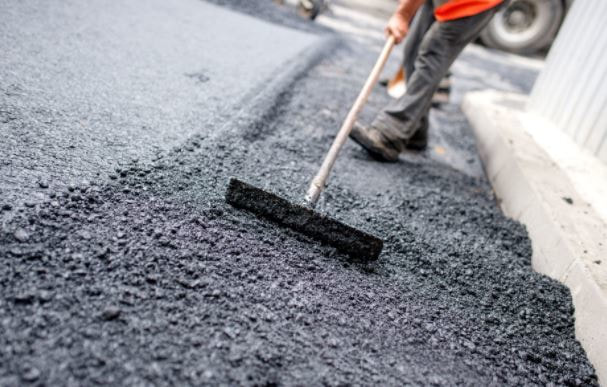
When it comes to choosing between an asphalt or concrete parking lot, there are several factors to consider. Both materials have their own advantages and disadvantages, so it’s important to weigh them carefully before making a decision.
Initial Construction Costs
When considering initial construction costs, asphalt tends to be less expensive upfront compared to concrete. Asphalt paving is generally priced between $3 and $7 per square foot, while concrete paving can range from $5 to $10 or more per square foot depending on thickness and complexity. This affordability often makes asphalt an appealing choice for projects with tight budgets. However, the decision should also account for long-term costs, as discussed later.
Longevity and Durability
Concrete has a significantly longer lifespan than asphalt, often lasting 30 to 50 years with appropriate maintenance, compared to asphalt’s typical lifespan of 15 to 20 years. Concrete is more resistant to wear and requires fewer major repairs over time, making it a durable option in high-traffic areas.
Asphalt, while less durable, is easier and cheaper to repair, though it requires more frequent maintenance such as resurfacing or sealing.
Climate and Weather Considerations
The regional climate plays a critical role in selecting between asphalt and concrete. Concrete performs well in hot climates due to its resistance to softening under extreme heat, while asphalt can become pliable or even deform.
On the other hand, concrete is more prone to cracking in areas with freeze-thaw cycles, whereas asphalt’s flexible nature allows it to tolerate such conditions better, making it suitable for colder regions.
Aesthetic and Usage Requirements
Both materials offer different aesthetic and functional benefits. Concrete can be customized with a variety of finishes, colors, and patterns, making it a preferred choice for properties where visual appeal is a priority.
Asphalt, while limited in aesthetic options, provides a smooth, dark surface that is ideal for heavy vehicle usage and frequent traffic, such as highways or commercial parking lots.
Total Cost of Ownership
When evaluating total costs over the lifespan of each material, concrete demonstrates superior cost-effectiveness despite its higher initial expense. Its long lifespan and infrequent repair requirements reduce overall expenses, making it a practical long-term investment.
Asphalt, while cheaper to install, incurs higher maintenance costs over time, including sealing, patching, and repaving. The choice ultimately depends on the intended use, budget constraints, and regional considerations.
Additional Costs to Consider
When comparing concrete and asphalt, it’s important to also consider the additional costs that may arise during their lifespan. These can include:
Parking Lot Striping and Markings
The initial painting of parking lot lines, symbols, and directional markers is an important expense to ensure clear organization and safety. Over time, regular re-striping is necessary to maintain visibility as paint fades due to weather, wear, and UV exposure. These recurring costs should be factored into the overall upkeep budget.
Lighting and Security Features
Proper lighting is essential for both the safety and security of a parking lot. The costs include the installation of lighting infrastructure, such as poles and fixtures, as well as ongoing maintenance and energy expenses. Additionally, implementing security features like cameras or alarm systems can further increase both upfront and operational costs.
Landscaping and Enhancements
Incorporating elements such as curbs, greenery, and barriers can enhance the overall aesthetic appeal and practicality of a parking lot. These features add visual appeal while also providing functional benefits, such as managing traffic flow or providing shade. However, they come with added costs related to installation, irrigation, and consistent upkeep.
Tips for Budget-Friendly Parking Lot Construction
Constructing a parking lot on a budget doesn’t mean compromising on quality or functionality. Here are some practical tips to manage costs effectively:
- Plan Thoroughly: Invest time in detailed planning and design. A well-thought-out layout can save money by optimizing space usage and reducing the need for unnecessary materials.
- Choose Cost-Effective Materials: Consider alternative materials, such as recycled asphalt or concrete, which can reduce expenses while maintaining durability and performance.
- Simplify the Design: Avoid overly complex designs or features that may escalate costs. A straightforward layout without excessive embellishments can still be functional and visually appealing.
- Prioritize Essential Features: Focus on including features that are necessary for safety and functionality, such as proper drainage and clear signage, while deferring luxury enhancements to a later time if needed.
- Minimize Landscaping: Opt for low-maintenance landscaping options that require minimal irrigation and upkeep. Native plants can be a cost-effective choice that adds appeal without inflating maintenance costs.
- Partner with Experienced Contractors: Work with professionals who have experience in cost-efficient construction. They can provide valuable insights, negotiate material costs, and ensure the project stays on budget.
By employing these strategies, you can strike a balance between affordability and quality, ensuring a practical and well-constructed parking lot.
Conclusion
Constructing a cost-effective parking lot requires careful planning, strategic decision-making, and collaboration with knowledgeable professionals. By prioritizing durable materials, efficient designs, and sustainable solutions, you can achieve long-term savings and create a functional space that meets your needs. Remember, investing time in proper planning and execution will ensure your project is both economical and high-quality, delivering value for years to come.
FAQs
What are the most cost-effective materials for building a parking lot?
Asphalt and concrete are commonly used materials for parking lots due to their durability and affordability. Asphalt is generally more cost-effective for initial installations, while concrete offers greater longevity and lower maintenance costs over time.
How can I ensure my parking lot is environmentally friendly?
To create a sustainable parking lot, consider incorporating permeable paving materials, incorporating proper drainage systems, and using solar-powered lighting solutions. Additionally, implementing spaces for bike racks and EV charging stations can enhance environmental responsibility.
How much does it cost to build a parking lot?
The cost of constructing a parking lot depends on factors such as size, location, materials used, and additional features like lighting or landscaping. Consulting with contractors and obtaining multiple quotes can help you estimate expenses accurately.
How do I maintain my parking lot to maximize its lifespan?
Regular maintenance is key to the longevity of your parking lot. This includes sealing cracks, repainting lines, cleaning debris, and ensuring proper drainage. Routine inspections can help identify and address issues before they become major problems.
Do I need permits to build a parking lot?
Yes, most locations require permits and adherence to local regulations when constructing a parking lot. Consulting with local authorities ensures compliance with zoning, safety, and environmental requirements.