The Ultimate Oklahoma City Parking Lot Maintenance Checklist: Seasonal Care, Sealcoating, and Striping Essentials
The Proactive Pavement Philosophy: Why Prevention Beats Patching
Understanding Pavement Failure in Oklahoma
- Oxidation: Sun and air dry out the oils and asphalt binder, making the surface brittle.
- Hairline Cracks: Brittleness leads to small, thin cracks across the surface.
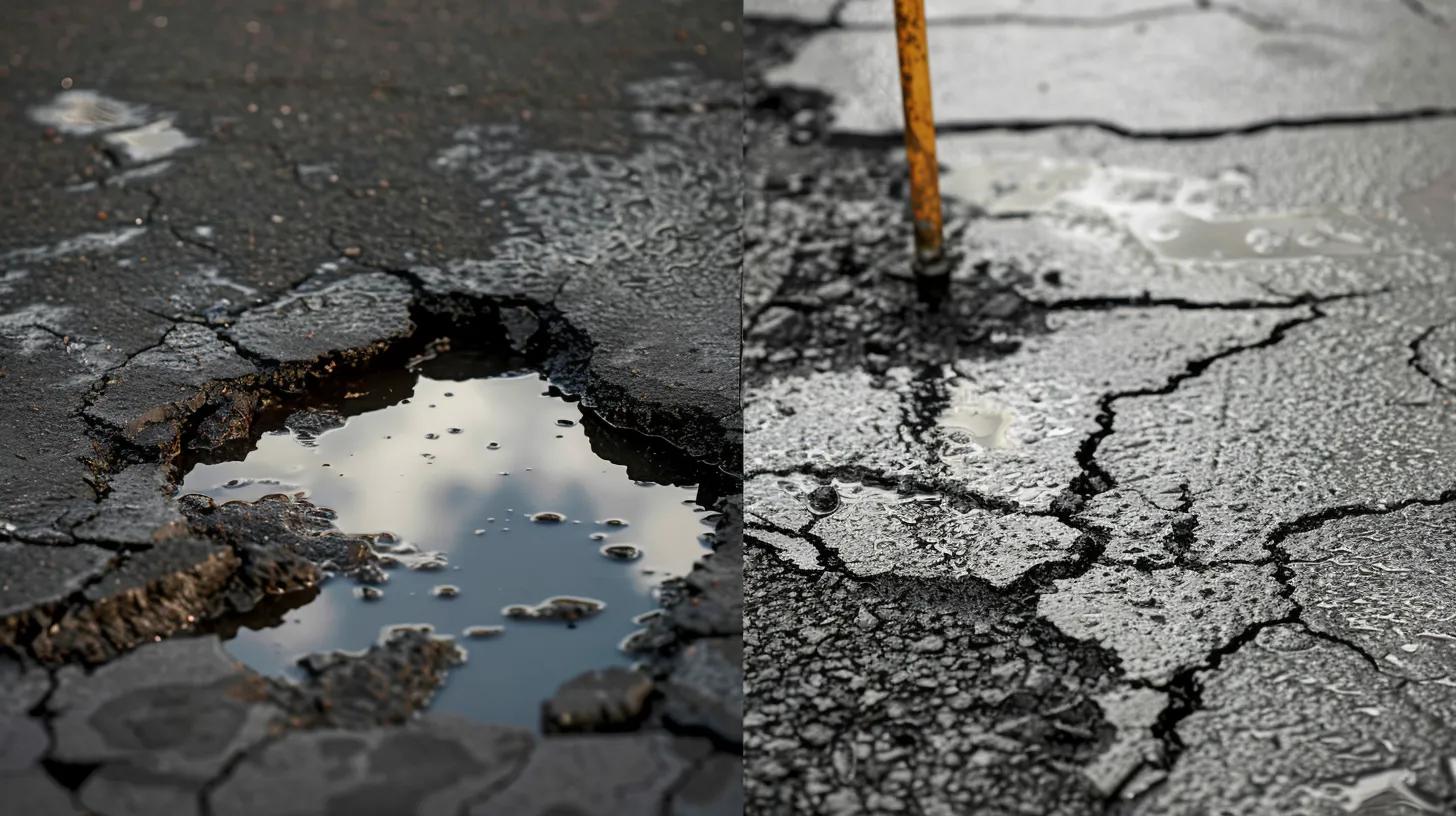
- Water Penetration: Rainwater and moisture enter these cracks and soak into the aggregate base layer.
- Freeze-Thaw Cycle: In winter, the trapped water freezes, expands, and pushes the asphalt upward. When it thaws, it leaves a void, weakening the structure.
- Pothole Formation: Vehicle traffic over the weakened area causes the surface layer to collapse, creating a severe pothole. This is when urgent asphalt repair oklahoma city becomes necessary.
Your Annual Oklahoma City Parking Lot Maintenance Calendar
Spring (March – May): The Inspection and Sealing Season
- Priority 1: Crack Sealing. This is your primary defense against water penetration. Our crews focus on deep crack sealing okc services, using hot-applied, polymer-modified sealant to fill those small linear cracks before they turn into major problems. This single step prevents the vast majority of water-related structural damage and is non-negotiable for longevity.
- Priority 2: Pothole Patching and Repair. Address all those nasty winter-spawned craters immediately. For the best long-term results, we avoid simple cold patch where possible and utilize proper full-depth asphalt patching oklahoma city to ensure the repair lasts for years, not weeks. Look for a contractor who offers quality blacktop repair oklahoma city using hot-mix asphalt.
- Priority 3: Concrete Check. If you have concrete elements—curbs, dumpster pads, or sidewalks—inspect them for damage. Concrete crack repair okc prevents further deterioration that could lead to dangerous trip hazards and base erosion.
Summer (June – August): Sealcoating and Striping for Aesthetics and Protection
- Priority 1: Sealcoating. This is the "sunscreen" for your asphalt. A professional application of sealcoating okc replenishes the asphalt binder, protects against UV rays and chemical spills, and gives your lot that crisp, black, professional finish. It should typically be done every 2 to 3 years, depending on traffic volume.
- Priority 2: Parking Lot Striping. After a fresh sealcoat, or simply after a few years of sun and tire wear, the lines inevitably fade. Clear, vibrant parking lot striping okc enhances safety, guides traffic efficiently, and improves the overall look of your property. This is also when you ensure you meet all mandatory accessibility standards.
Fall (September – November): Final Checks and Drainage Solutions
- Priority 1: Drainage Assessment. Clogged drains or poor grading lead to standing water, which causes localized pavement failure and slippery conditions. Have your parking lot drainage solutions okc checked. Clearing debris and addressing low spots prevents water from sitting on your Asphalt Parking Lots OKC.
- Priority 2: Final Sweeping and Cleaning. Removing leaves, dirt, and debris prevents them from composting and trapping moisture against the pavement surface over the winter.
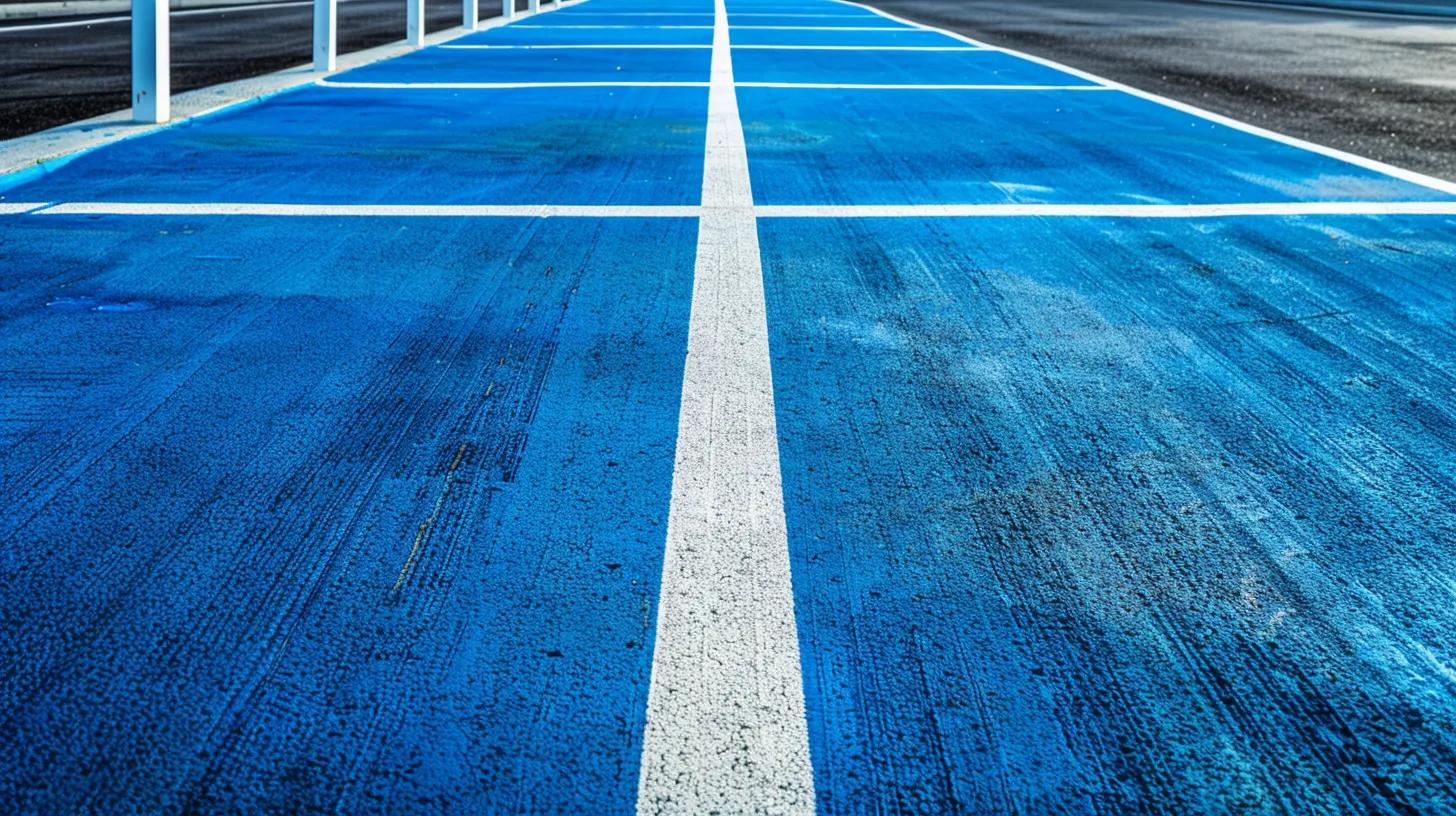
The Non-Negotiable: ADA Compliance and Parking Lot Striping
- Correct Number of Accessible Spaces: The ratio is based on the total number of spaces in your lot (e.g., 1 van-accessible space for every 6 accessible spaces).
- Access Aisles: These must be clearly marked and of the correct width (60 inches wide for standard accessible, 96 inches wide for van accessible). The aisles must be kept free of obstruction.
- Proper Signage: Both pavement paint and correctly mounted regulatory signs are required for all accessible spots, including van-accessible designations.
When the Damage is Serious: Advanced Commercial Parking Lot Repair OKC
Full-Depth Asphalt Patching (The Permanent Pothole Fix)
- Saw-Cutting: Precisely cutting out the entire damaged area in a neat square or rectangle.
- Removal: Excavating all the damaged asphalt and sub-base material down to a solid, stable layer.
- Base Compaction: Ensuring the remaining aggregate base is solid and properly compacted before any new material is added.
- Laying Hot-Mix: Filling the area with fresh, hot asphalt mix and compacting it professionally to blend seamlessly with the surrounding pavement.
Resurfacing and Asphalt Overlay
- Preparation: Milling the existing surface (removing a thin top layer) or thorough cleaning and repairing all cracks.
- Tack Coat: Applying a liquid adhesive (tack coat) to bond the new asphalt layer.
- Paving: Laying a fresh layer of new asphalt (typically 1.5 to 2 inches) over the entire surface.